
ESP32 C3 mini based
For a few years I’ve had the esp32 c3 prototypes laying around, yet I wasn’t happy with the ESPHome support in the beginning. As I rely on the software ESPHome, I’m not a software developer, I wanted it to be good enough for easy use.
Now in all fairness, the support for esp32 c3 is there now for quite a time, so why waiting so long?
The answer is quite simple: time; I’m doing this in my free spare time.
New revision of the SlimmeLezer+ : SlimmeLezer mini
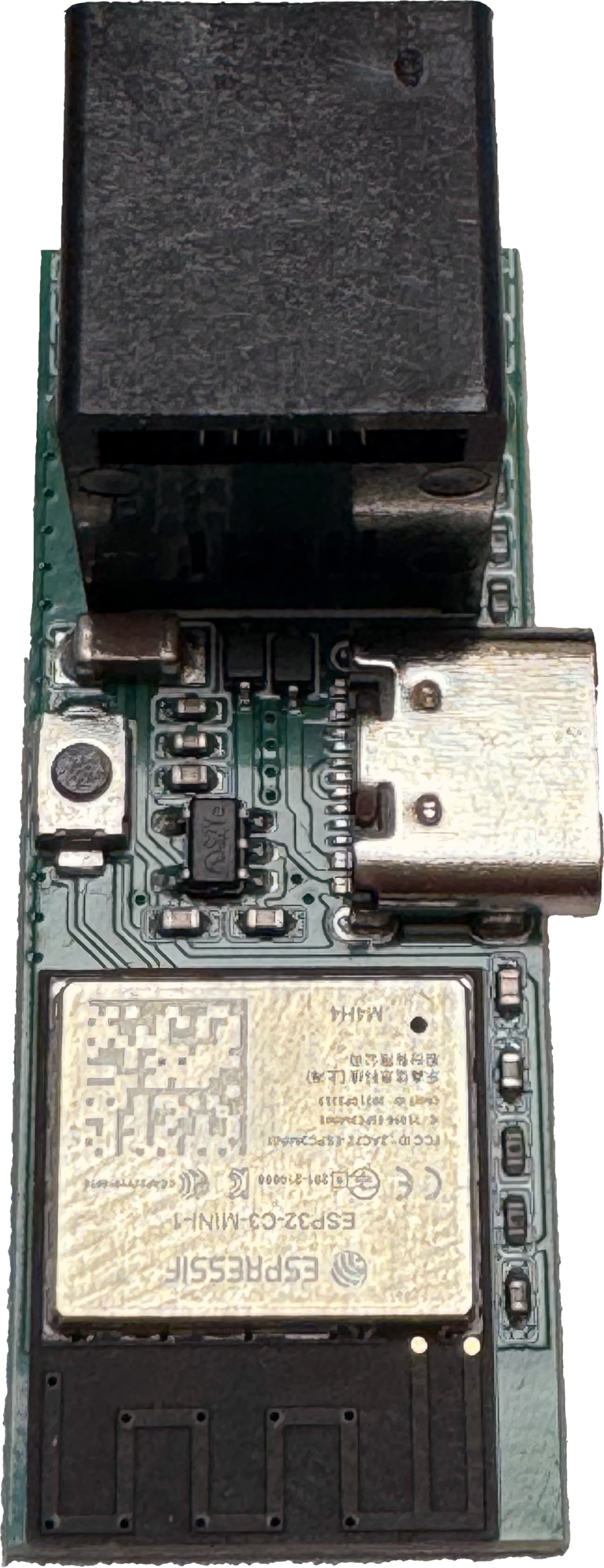
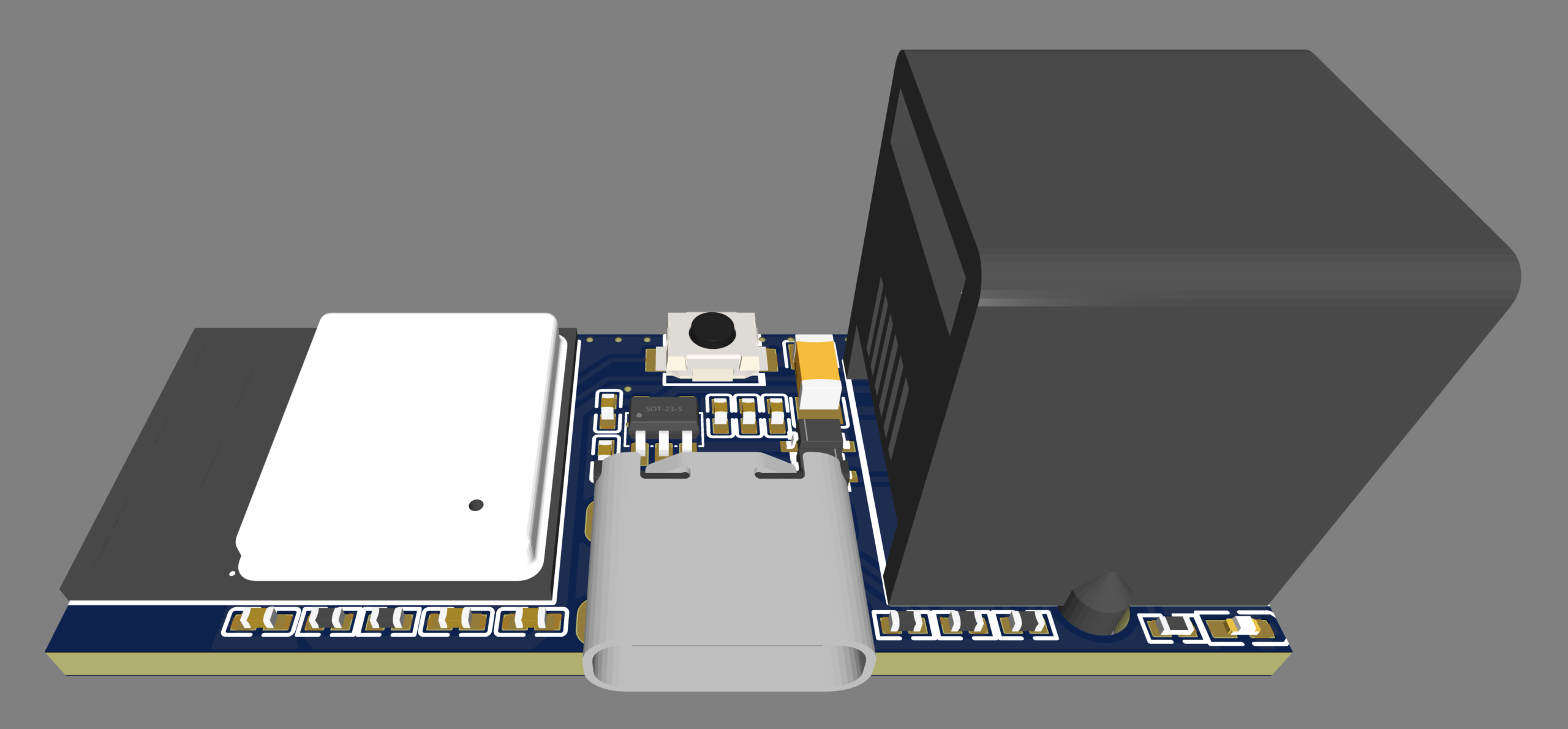
My initial thought was, just replace the esp8266 for an esp32 c3, and keep it like that. But that resulted in a lot of free empty space on the pcb. Now that’s something I’d like to avoid: waste. So a total new design was created. And than that voice asking me: can’t you make it smaller?
And so my journey ended at 14x37mm…
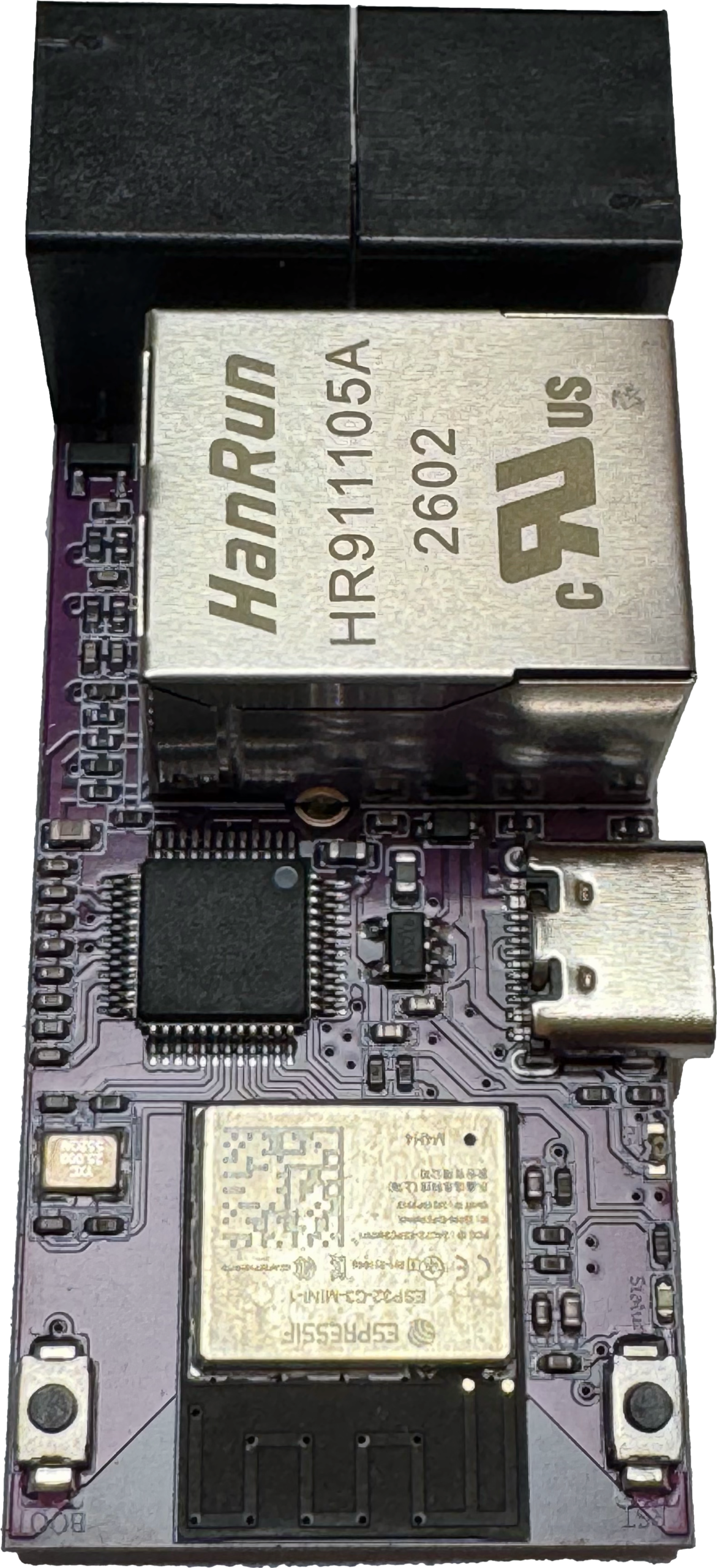
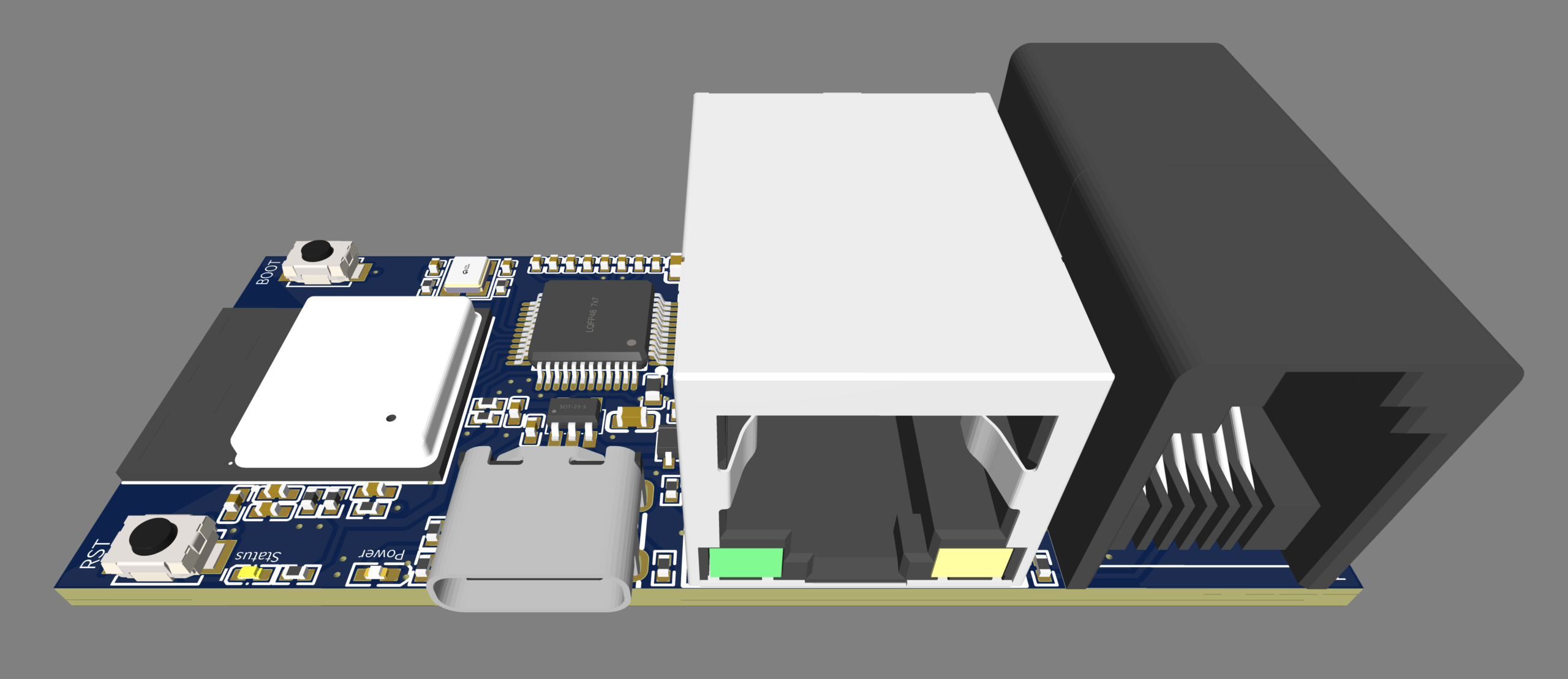
New ‘big’ brother: SlimmeLezer Pro
While having the mini done, I wondered if there was also an option to use ethernet with the esp32 c3. I’m quite happy with the WT32-ETH01, they’re quite popular for a reason. But running them on WiFi (though it’s made specifically for ethernet) was only possible when powering it via USB-C.
Most meters on the current marked are DSMR 4 or 5, and DSMR 4 is limited to 100mA, DSMR 5 is limited to 250mA. Should be more then enough. Yet the esp32-wroom-32 is quite power-hungry.
So I decided to make an esp32 c3 based version. And again that voice, how small can you go?
The RJ12 header is always quite big compared to the rest of the design. And in this case I wasn’t happy with the components places on the pcb. Either too wide, or too much empty space. Then I thought, why not an extra port, a P1 out? That made the transition of ‘only’ an ethernet version, to a pro version, with the option to choose either for ethernet, or WiFi, and an extra P1 out.
So this ‘big’ brother has now the size of the ‘old’ SlimmeLezer+. The SlimmeLezer Pro is 26x62mm and the SlimmeLezer+ is 28x61mm. Same package, more efficient esp32 c3, ethernet and P1 out.
New revision of the Smart Doorbell
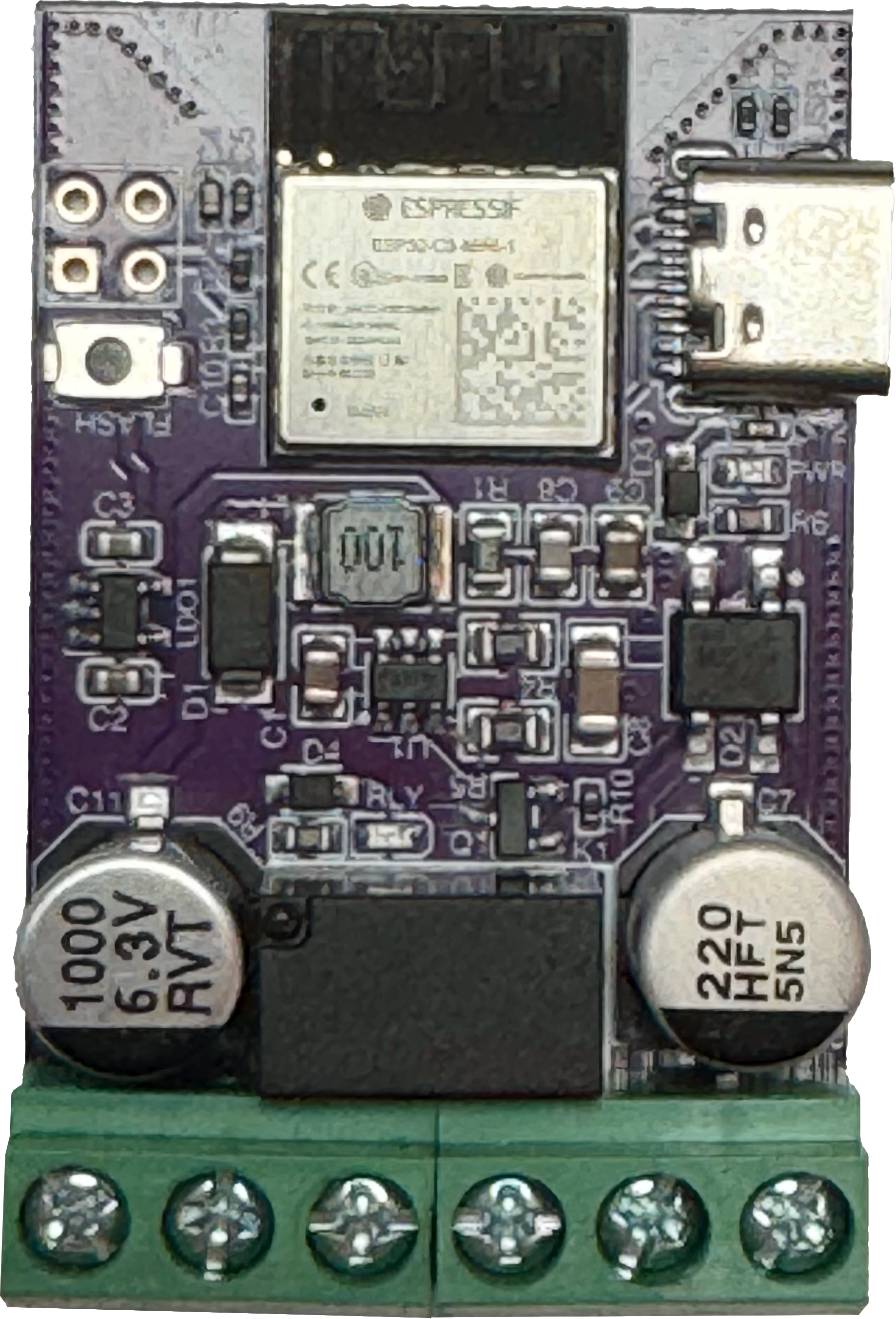
The Smart Doorbell has also a make over, not really needed in my humble opinion. But a change once in a while is good, so why not…
The design, again smaller than the previous one, is based on the same idea: Use a buck converter for powering the Smart Doorbell, fed by the power of the doorbell self, and control the doorbell via a relay.